
01 / Brokerage
Freight brokers
In ProgressA broker coordinates a customer commitment with a carrier's execution. Coverage changes, pickup windows, rate confirmations and delivery proof often live across separate conversations. The critical operational problem is not simply seeing a truck on a map; it is retaining the relationship between the customer's shipment, the assigned carrier and the evidence supporting that movement.
Kaporeal's core load, customer, carrier, event and document targets are intended to preserve that context. In an illustrative workflow, a broker records the requested movement, assigns a carrier and tracks reported pickup and delivery milestones against the same reference. If coverage changes, the previous assignment and its documents remain explainable instead of disappearing into a new email thread.
Rates, quotes, accessorials, customer / carrier prices and margin visibility are planned extensions. Compliance verification, EDI tendering, carrier portals and accounting settlement are not operational today. A stored MC / DOT identifier is not a qualification outcome. The near-term design question is how dispatch, commercial context and document review stay coherent; automated pricing and settlement should follow verified core workflows rather than be presented as already available.
02 / Asset-based trucking
Fleet operators
In ProgressAn asset-based carrier has to connect a customer load to people and equipment, not only to a carrier organization. A dispatcher must understand the next pickup, resource availability, changing appointments and the documents that will be needed after delivery. Text-message assignments can provide immediate coordination while leaving the broader load history difficult to reconstruct.
The core dispatch, load and event targets would create a shared operational reference. An illustrative dispatcher reviews a load requiring coverage, records the executing carrier and follows its pickup and delivery evidence. Driver and equipment linkage is an expansion area: the model should preserve a change of tractor, trailer or driver without confusing that change with a new shipment.
ELD and telematics, geographical dispatch, driver mobile capture, routing optimization and automatic alerts are planned or research. The project is not a released fleet maintenance, hours-of-service or safety-compliance platform. Vehicle observations need a verified relationship to a load before they can suggest a milestone. Fleet input is particularly valuable for resource changes, delayed loading and handoffs where the driver knows a fact that has not yet reached the dispatcher.

03 / Multi-party coordination
3PL operations
PlannedA third-party logistics team often coordinates customers, carriers, warehouses and several internal roles. Each party may use a different reference, and each customer may expect a different document packet or exception process. A status update that is correct for one participant can still be insufficient for another if it does not identify the relevant shipment or handoff.
Kaporeal's proposed transportation model supplies a common load context while retaining external references and event provenance. An illustrative coordinator associates the customer's order and the warehouse shipment with a movement, records the carrier assignment and follows readiness, departure and receipt as separate facts. The transportation record should make responsibility visible without trying to replace each partner's authoritative system.
Scoped customer and carrier portals, configurable document requirements, richer organization boundaries and multi-party integrations are planned. No production multi-tenant platform or partner portal is claimed. Warehouse readiness exchanges and ERP / accounting relationships require negotiated contracts. The most useful 3PL modeling input describes how references are reconciled, who owns each exception and what evidence is required before a handoff can be considered complete.

04 / Facility operations
Warehouse & distribution centers
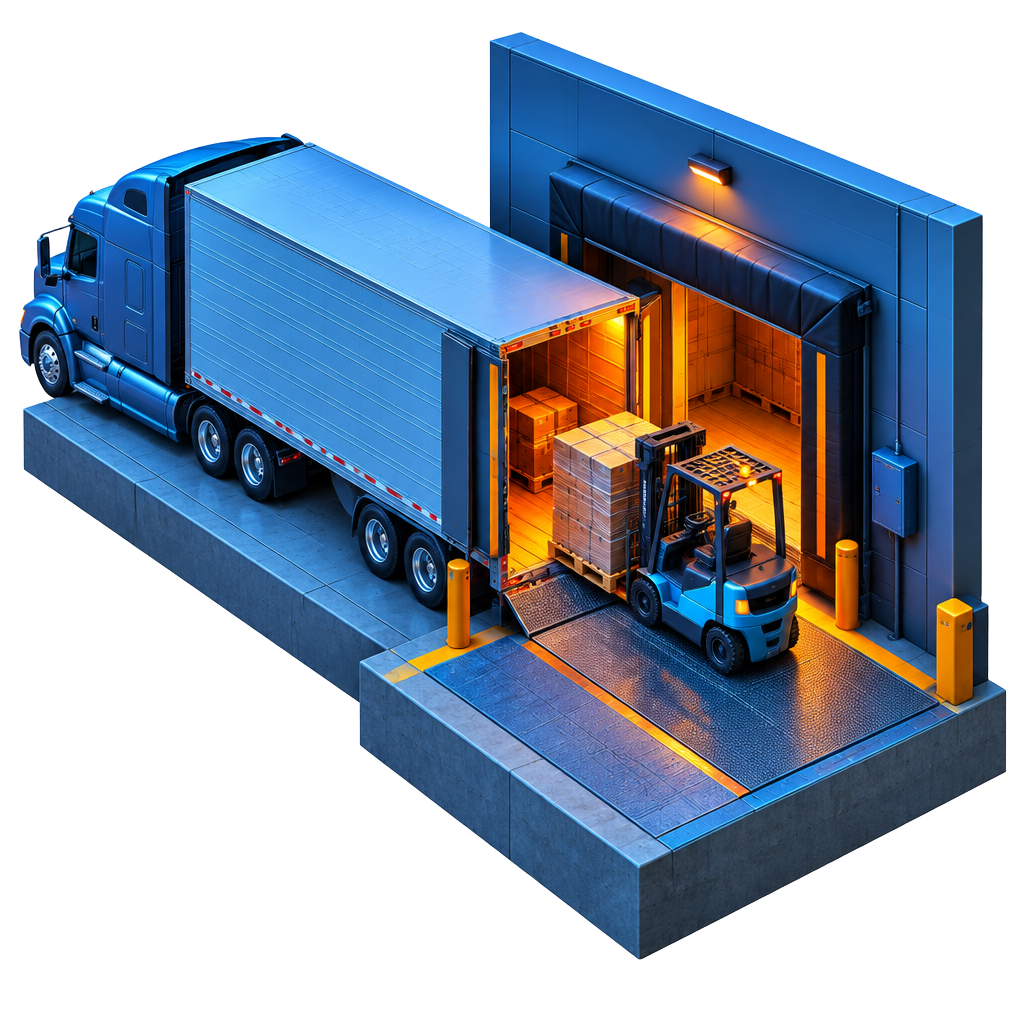
PlannedA warehouse supervisor works with inventory, staging capacity and dock availability. Transportation affects those constraints through late arrivals, changed equipment, short loading and uncertain departure. A WMS can know that goods are staged while dispatch still lacks a reliable carrier or appointment. Neither system alone provides a complete view of the handoff.
Kaporeal's warehouse direction is to link transportation context to the facility's existing shipment and handling-unit references. In an illustrative outbound workflow, the WMS declares readiness, the TMS associates a load and carrier, and the facility records loading and departure. At destination, receiving outcomes can refer back to the same movement and evidence. This preserves the difference between freight being ready, assigned, loaded and physically received.
Appointment scheduling, ASN / receiving context, pallet and case linkage, cross-docking and shortage / damage exchanges are planned. Kaporeal is not a full WMS and does not claim inventory control, picking or warehouse slotting. Standards such as EDI 940 / 945 are proposed discussion areas, not live connectors. Facility teams can help by describing reference changes, queue delays and quantity discrepancies that must survive the boundary between warehouse and highway.

05 / Regional & last-mile
Regional and last-mile delivery
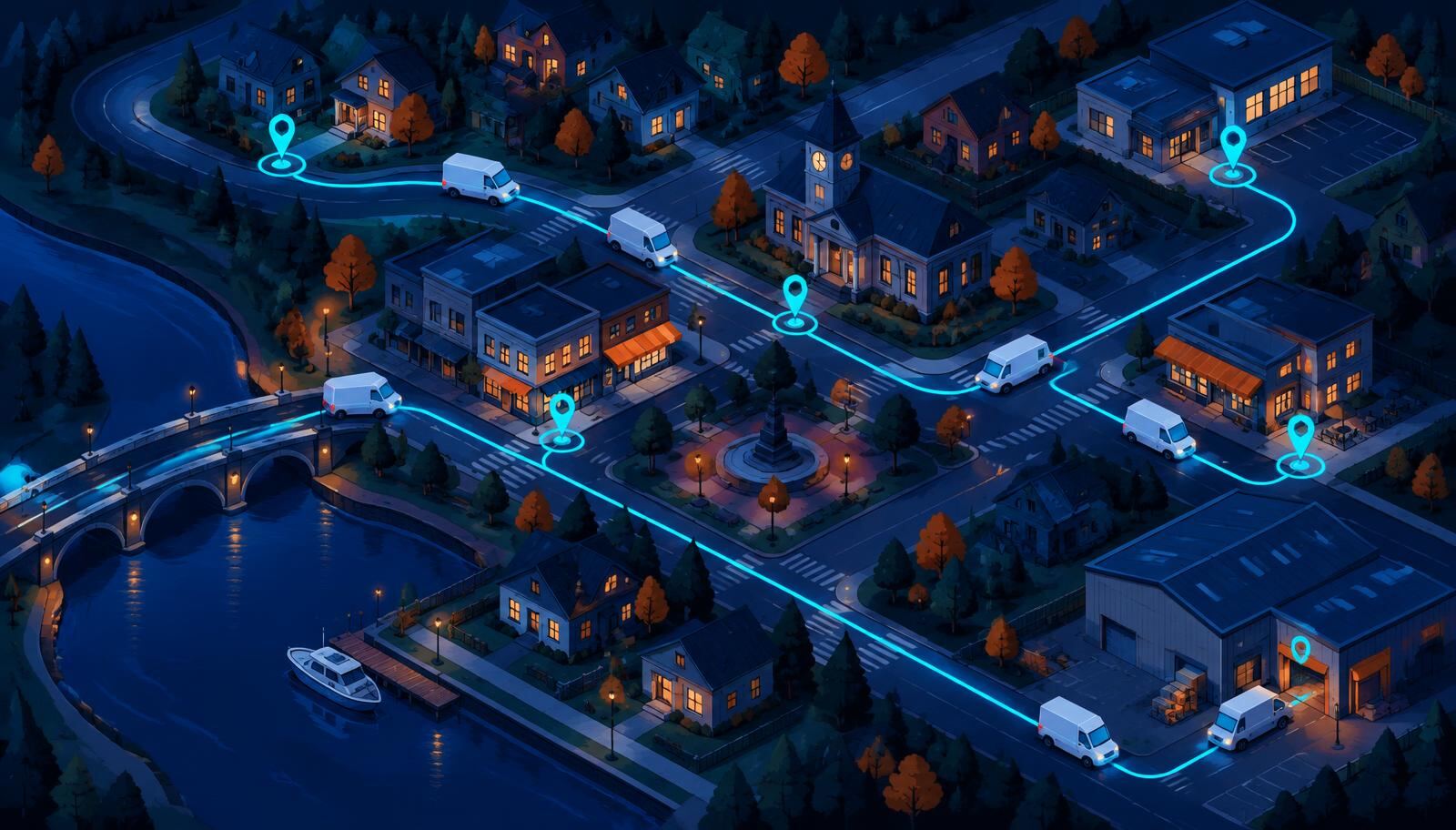
PlannedRegional delivery teams may coordinate shorter movements, repeat facilities and multiple handoffs in a day. The operational challenge is often the distinction between a route plan, a driver's reported progress and actual delivery evidence. A failed delivery or partial receipt cannot be reduced to a generic completed state without losing information that customer service needs.
The core load, stop, event and document concepts provide a starting vocabulary, but the initial MVP focuses on point-to-point freight. Later regional and multi-stop modeling should clarify how one vehicle movement relates to several customer shipments and which proof belongs to each handoff. An illustrative dispatcher would need to distinguish an attempted stop from a completed receipt and preserve the reason for a return or reschedule.
Driver mobile workflows, routing optimization, geofencing, customer notifications and specialized multi-stop operations are planned or research. There is no live delivery app, route engine or automated proof-of-delivery service here. Regional operators can shape the design by explaining attempted delivery, changed sequences, split receipts and the references needed to reconcile a day's work without pretending the current framework already handles every last-mile pattern.
06 / Industrial shipping
Manufacturing & distribution
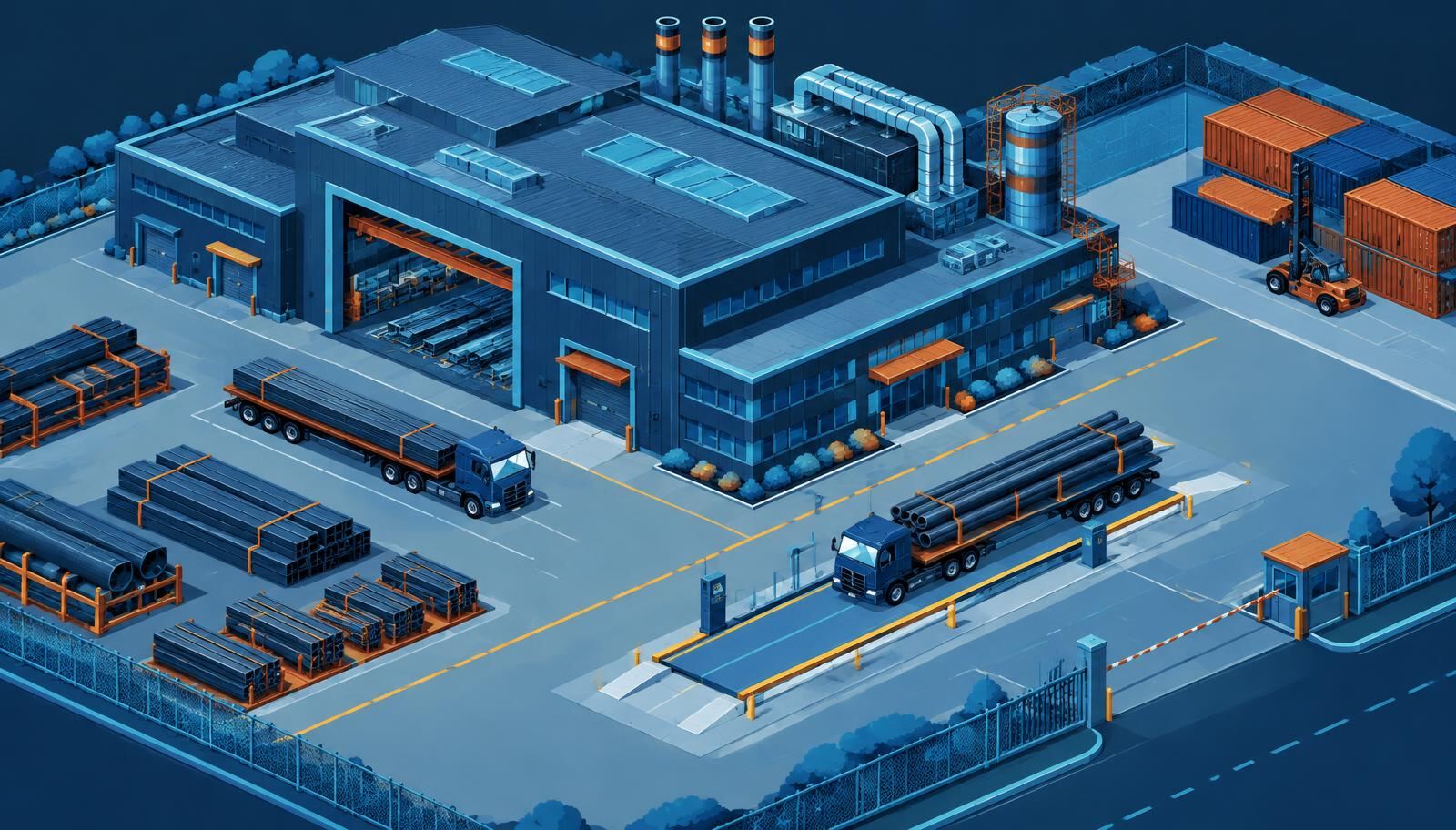
PlannedA manufacturing or distribution shipping department must connect commercial orders and physical readiness with transport capacity. Production changes can affect requested pickup windows; staged goods may not match an earlier order plan; receiving teams need enough context to prepare for inbound freight. Transportation coordination should not require copying the entire ERP into another application.
Kaporeal's intended role is the freight movement between those systems. An illustrative shipping coordinator retains an order reference, confirms the warehouse readiness context and creates a load with the relevant facility windows and freight attributes. Carrier assignment, reported milestones and linked BOL / POD evidence then describe the movement without taking ownership of production scheduling or inventory valuation.
ERP order exchanges, WMS readiness, appointment coordination and accounting connectors are planned. Kaporeal is neither a turnkey ERP nor a manufacturing execution system, and it does not provide verified hazardous-goods compliance or specialized industrial routing. Input from shipping departments can clarify where responsibility changes, which documents are required and how a changed quantity or missed collection should be reconciled across production, warehouse, transport and finance.