04 / Facility operations
The daily operating problem
PlannedA warehouse supervisor works with inventory, staging capacity and dock availability. Transportation affects those constraints through late arrivals, changed equipment, short loading and uncertain departure. A WMS can know that goods are staged while dispatch still lacks a reliable carrier or appointment. Neither system alone provides a complete view of the handoff.
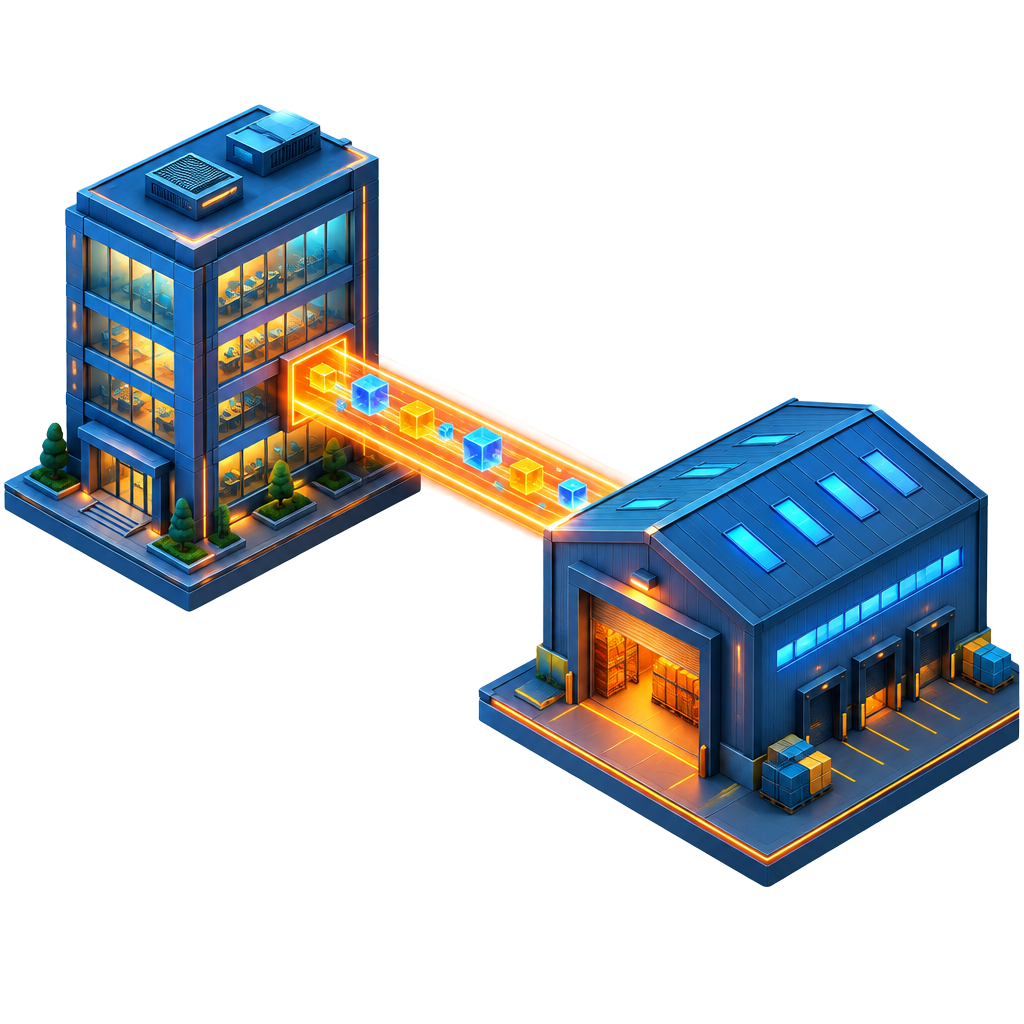
Kaporeal's warehouse direction is to link transportation context to the facility's existing shipment and handling-unit references. In an illustrative outbound workflow, the WMS declares readiness, the TMS associates a load and carrier, and the facility records loading and departure. At destination, receiving outcomes can refer back to the same movement and evidence. This preserves the difference between freight being ready, assigned, loaded and physically received.
Appointment scheduling, ASN / receiving context, pallet and case linkage, cross-docking and shortage / damage exchanges are planned. Kaporeal is not a full WMS and does not claim inventory control, picking or warehouse slotting. Standards such as EDI 940 / 945 are proposed discussion areas, not live connectors. Facility teams can help by describing reference changes, queue delays and quantity discrepancies that must survive the boundary between warehouse and highway.
Illustrative workflow
A workflow story
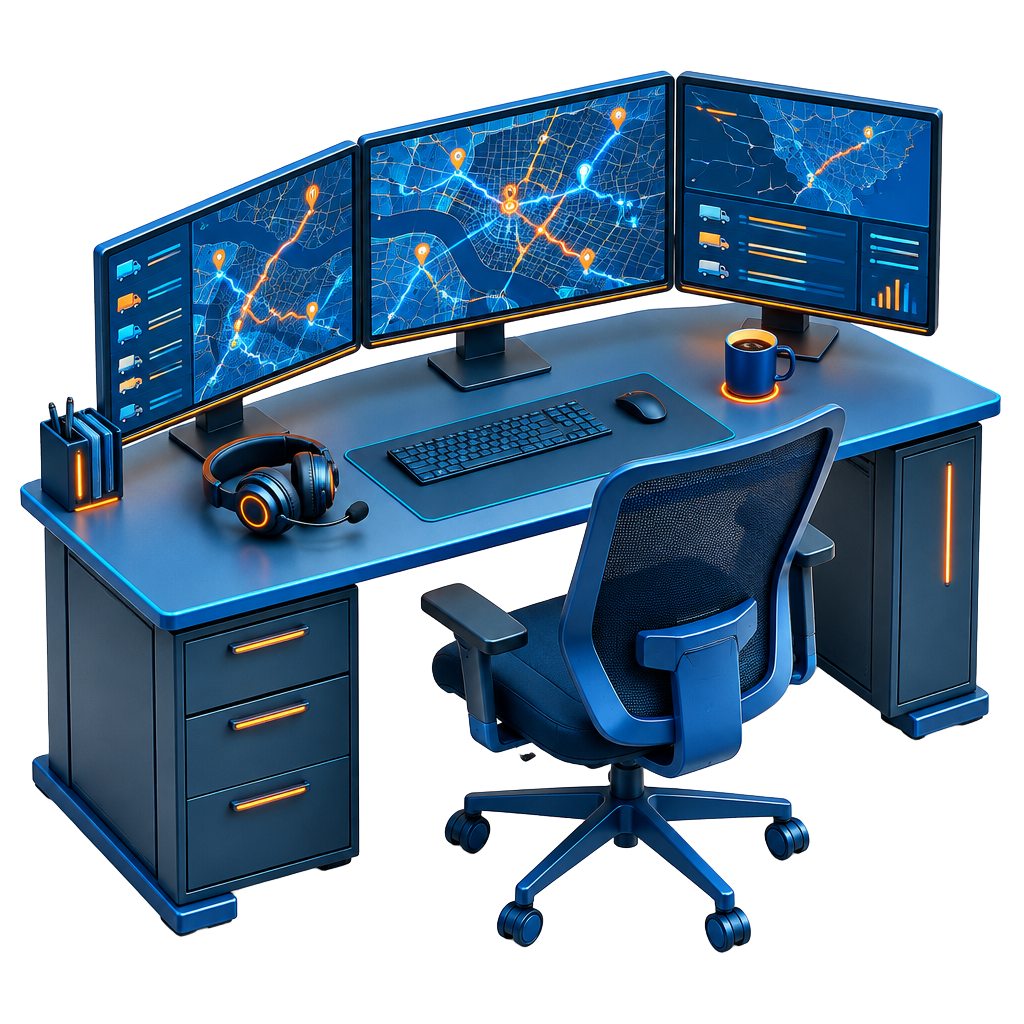
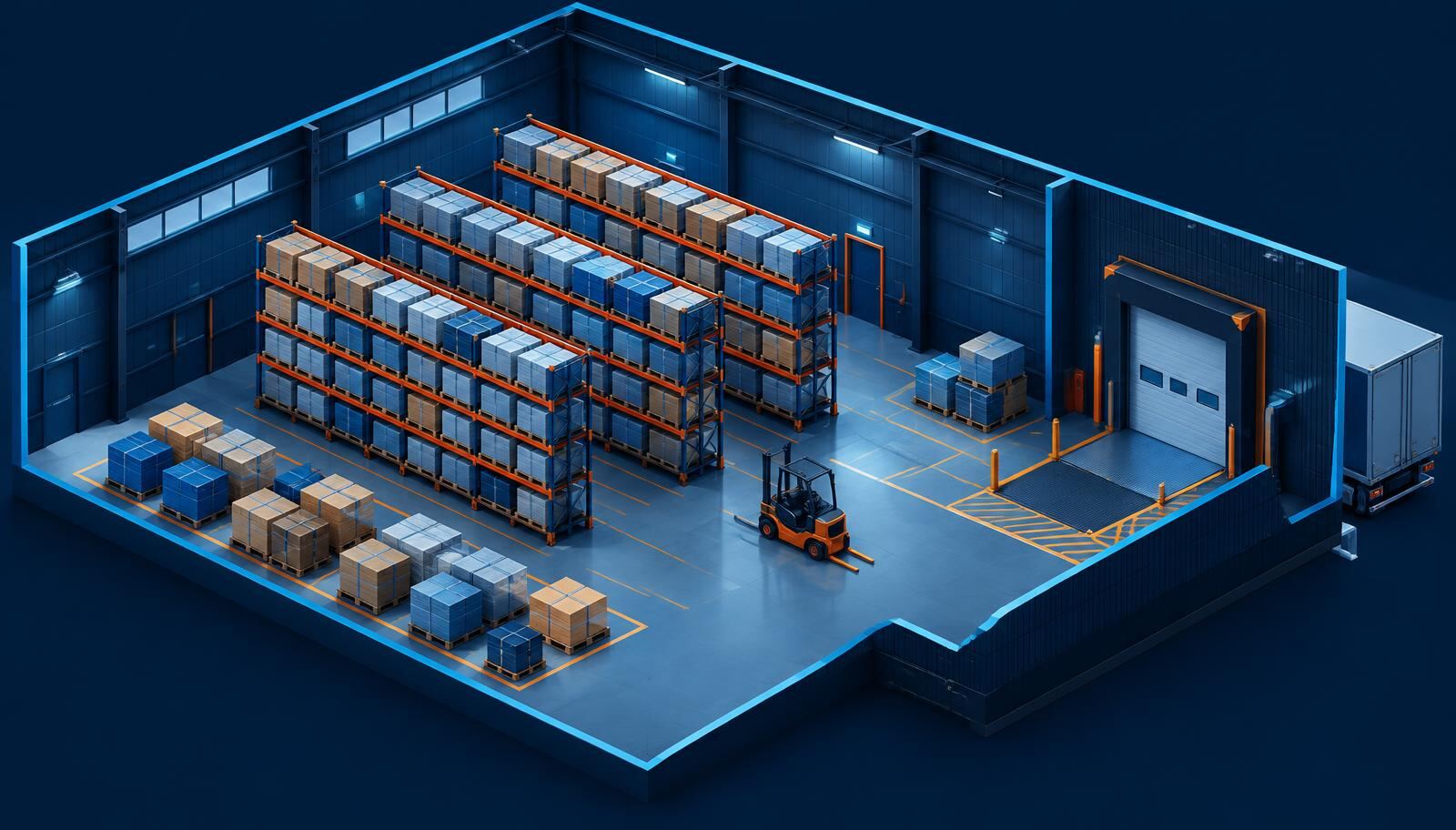
A supervisor sees that an outbound order is staged on lane 4, but the carrier is running late. In the illustrated flow, the WMS publishes 'ready to ship', Kaporeal holds the dock appointment and the carrier's arrival event, and the supervisor can re-assign the door before staging space runs out.
Shortages and damage found at loading become exception events linked to both the handling units and the load, giving the receiving side context before the trailer arrives.

Relevant modules and their status
These are the parts of the conceptual module map that matter most for this scenario. Status labels describe development state, not availability for production use.
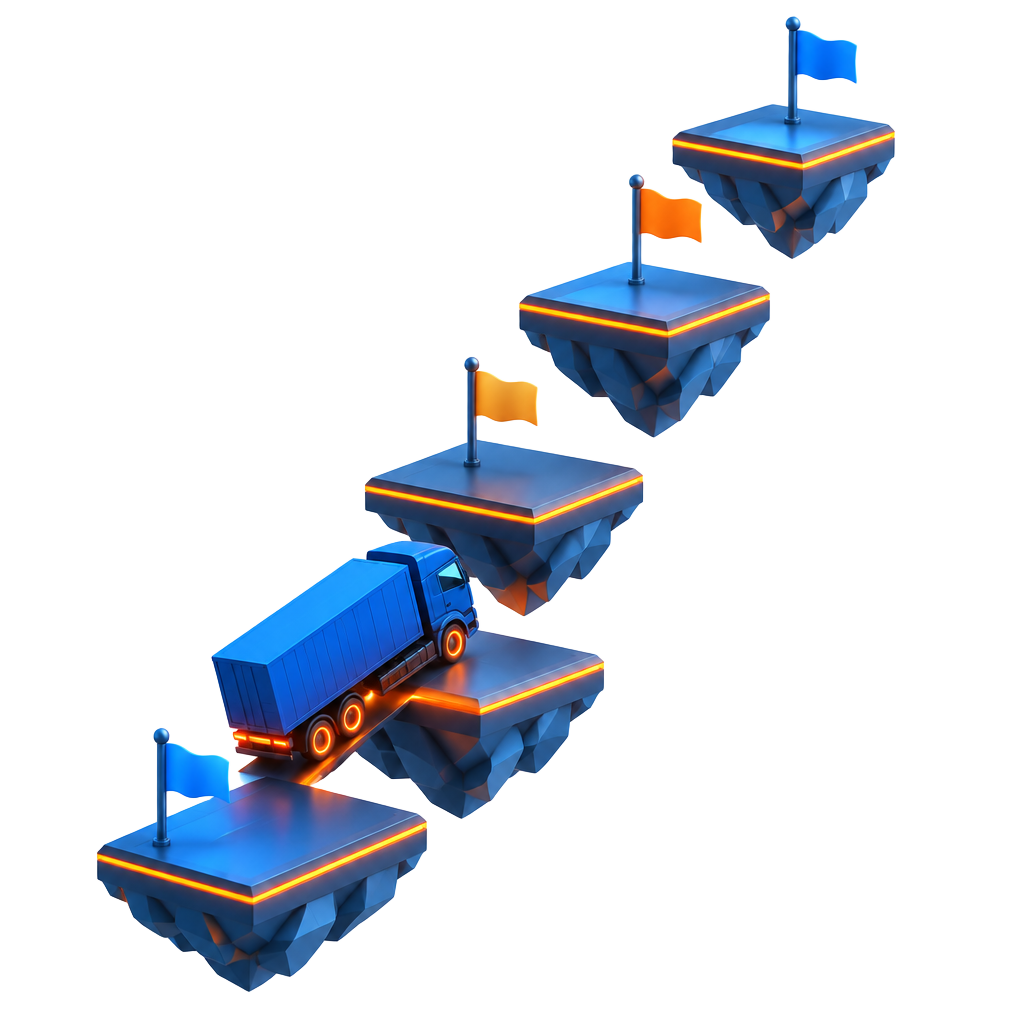
- Dock appointment references (Planned)
- Handling-unit linkage (Planned)
- Exception events (In Progress)
- Dock-side hardware capture (Future)
What is not built, and may never be core
PlannedBeing clear about scope is part of being useful. The following are either not built yet or are deliberately left to neighboring systems.
- Inventory, slotting or picking: those remain WMS responsibilities
- Yard management
- Labor planning