
06 / Industrial shipping
The daily operating problem
PlannedA manufacturing or distribution shipping department must connect commercial orders and physical readiness with transport capacity. Production changes can affect requested pickup windows; staged goods may not match an earlier order plan; receiving teams need enough context to prepare for inbound freight. Transportation coordination should not require copying the entire ERP into another application.
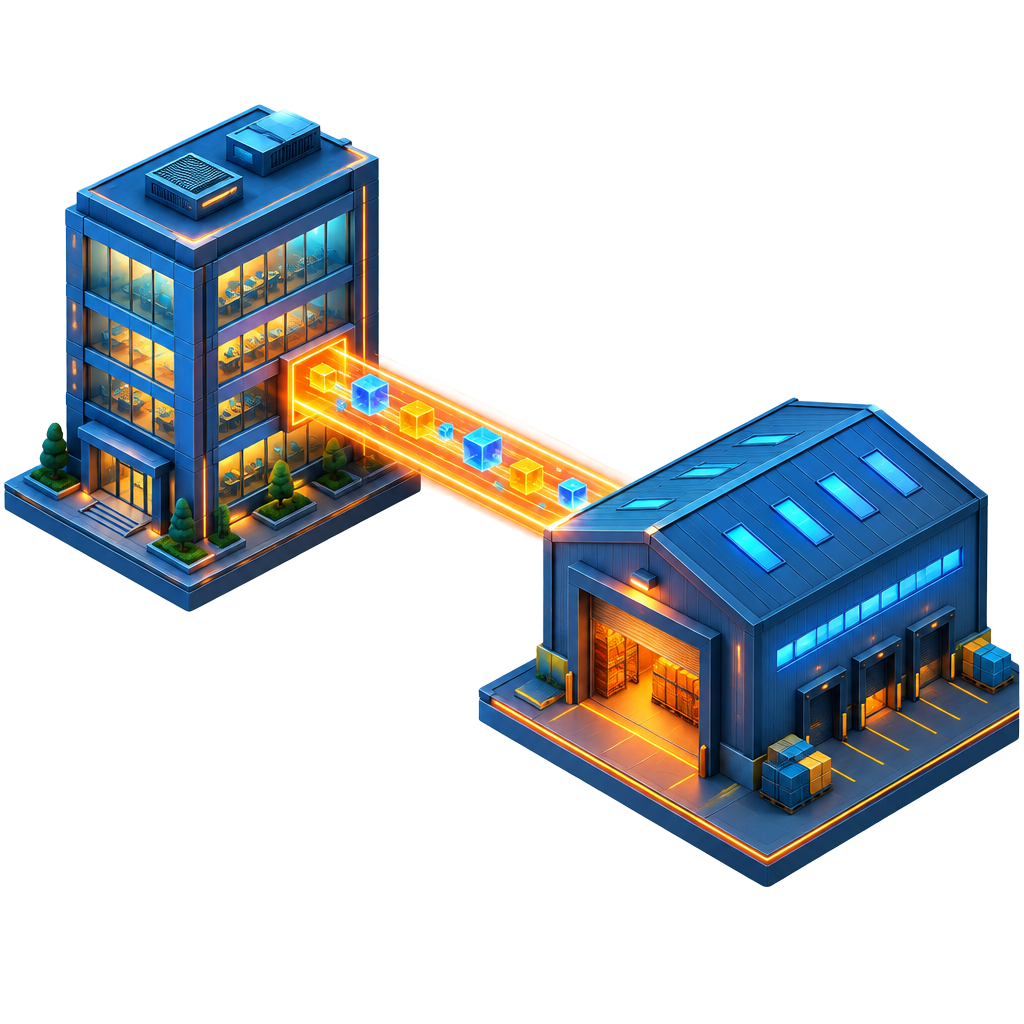
Kaporeal's intended role is the freight movement between those systems. An illustrative shipping coordinator retains an order reference, confirms the warehouse readiness context and creates a load with the relevant facility windows and freight attributes. Carrier assignment, reported milestones and linked BOL / POD evidence then describe the movement without taking ownership of production scheduling or inventory valuation.
ERP order exchanges, WMS readiness, appointment coordination and accounting connectors are planned. Kaporeal is neither a turnkey ERP nor a manufacturing execution system, and it does not provide verified hazardous-goods compliance or specialized industrial routing. Input from shipping departments can clarify where responsibility changes, which documents are required and how a changed quantity or missed collection should be reconciled across production, warehouse, transport and finance.

Illustrative workflow
A workflow story
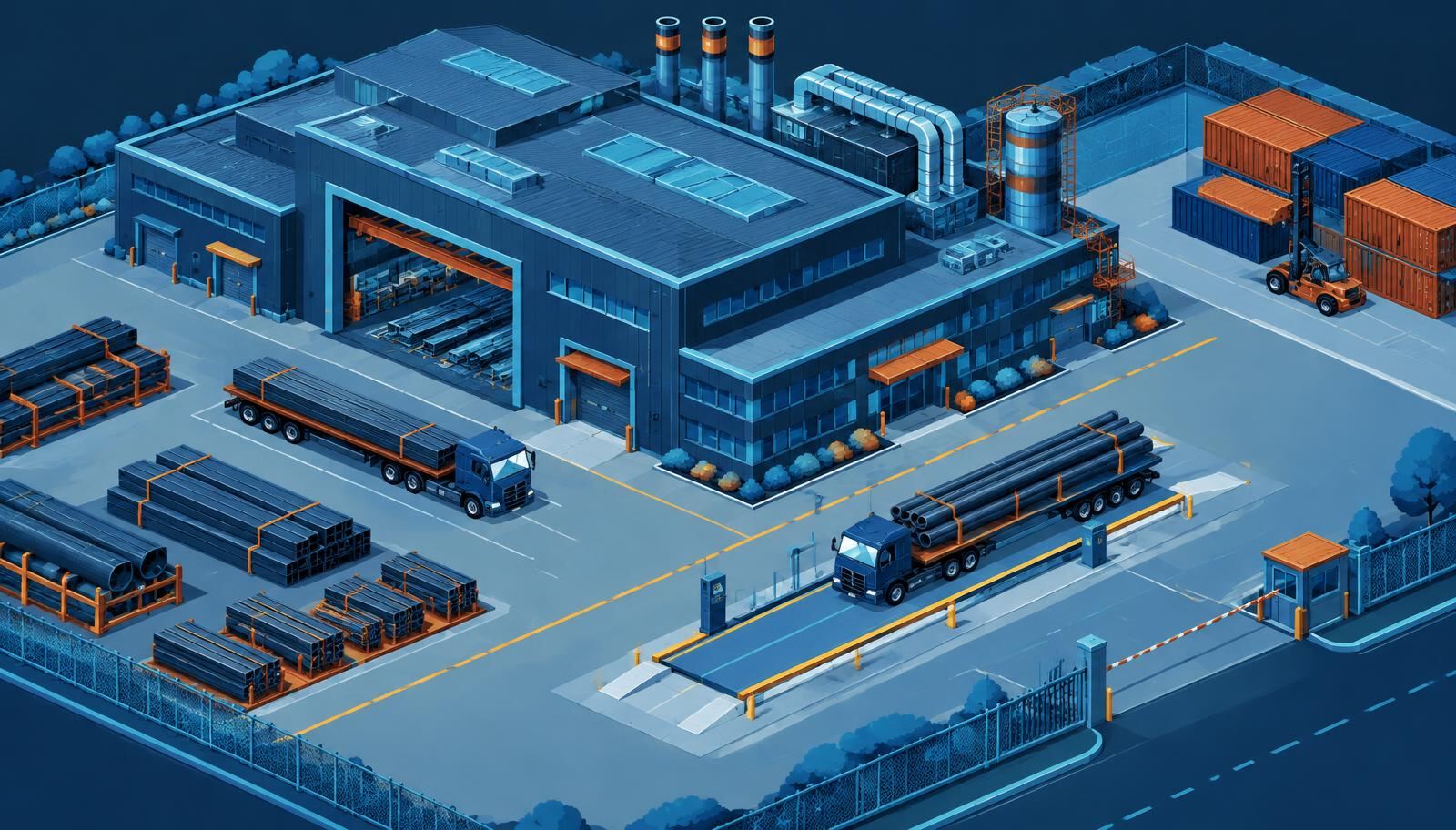
A plant's ERP releases an order for shipment. In the illustrated flow, the shipping team creates a load referencing the order, books a carrier and records weights from the floor scale. A production delay changes the requested pickup window; the change is an event, not an overwritten field.
Later, a Rust edge gateway could pass the scale reading directly into the shipment record with device provenance. That is future research and would require careful calibration and trust design.
Relevant modules and their status
These are the parts of the conceptual module map that matter most for this scenario. Status labels describe development state, not availability for production use.
- ERP order references (Planned)
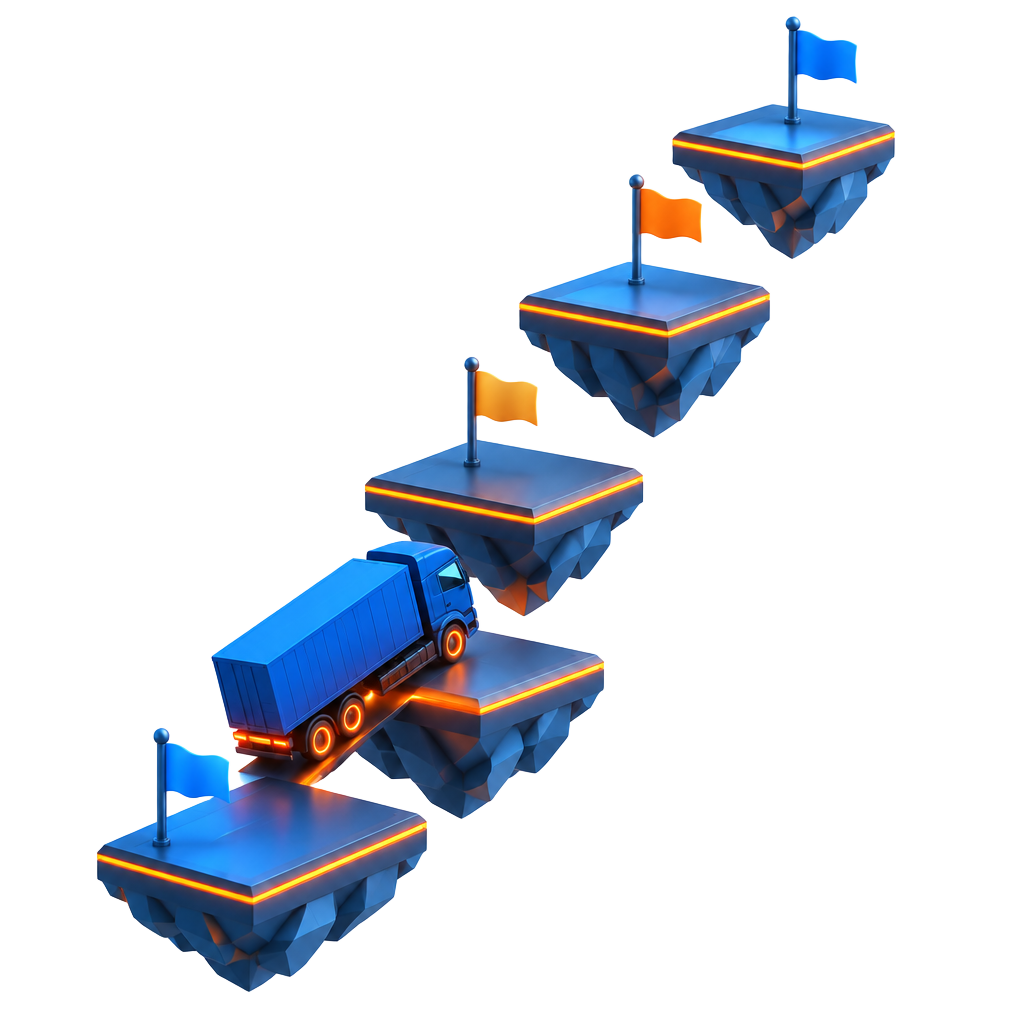
- Load creation and carrier booking (In Progress)
- BOL generation context (In Progress)
- Scale and sensor capture (Future)
What is not built, and may never be core
PlannedBeing clear about scope is part of being useful. The following are either not built yet or are deliberately left to neighboring systems.
- Production scheduling
- Freight audit and payment
- Certified weight capture