
02 / Asset-based trucking
The daily operating problem
In ProgressAn asset-based carrier has to connect a customer load to people and equipment, not only to a carrier organization. A dispatcher must understand the next pickup, resource availability, changing appointments and the documents that will be needed after delivery. Text-message assignments can provide immediate coordination while leaving the broader load history difficult to reconstruct.
The core dispatch, load and event targets would create a shared operational reference. An illustrative dispatcher reviews a load requiring coverage, records the executing carrier and follows its pickup and delivery evidence. Driver and equipment linkage is an expansion area: the model should preserve a change of tractor, trailer or driver without confusing that change with a new shipment.
ELD and telematics, geographical dispatch, driver mobile capture, routing optimization and automatic alerts are planned or research. The project is not a released fleet maintenance, hours-of-service or safety-compliance platform. Vehicle observations need a verified relationship to a load before they can suggest a milestone. Fleet input is particularly valuable for resource changes, delayed loading and handoffs where the driver knows a fact that has not yet reached the dispatcher.
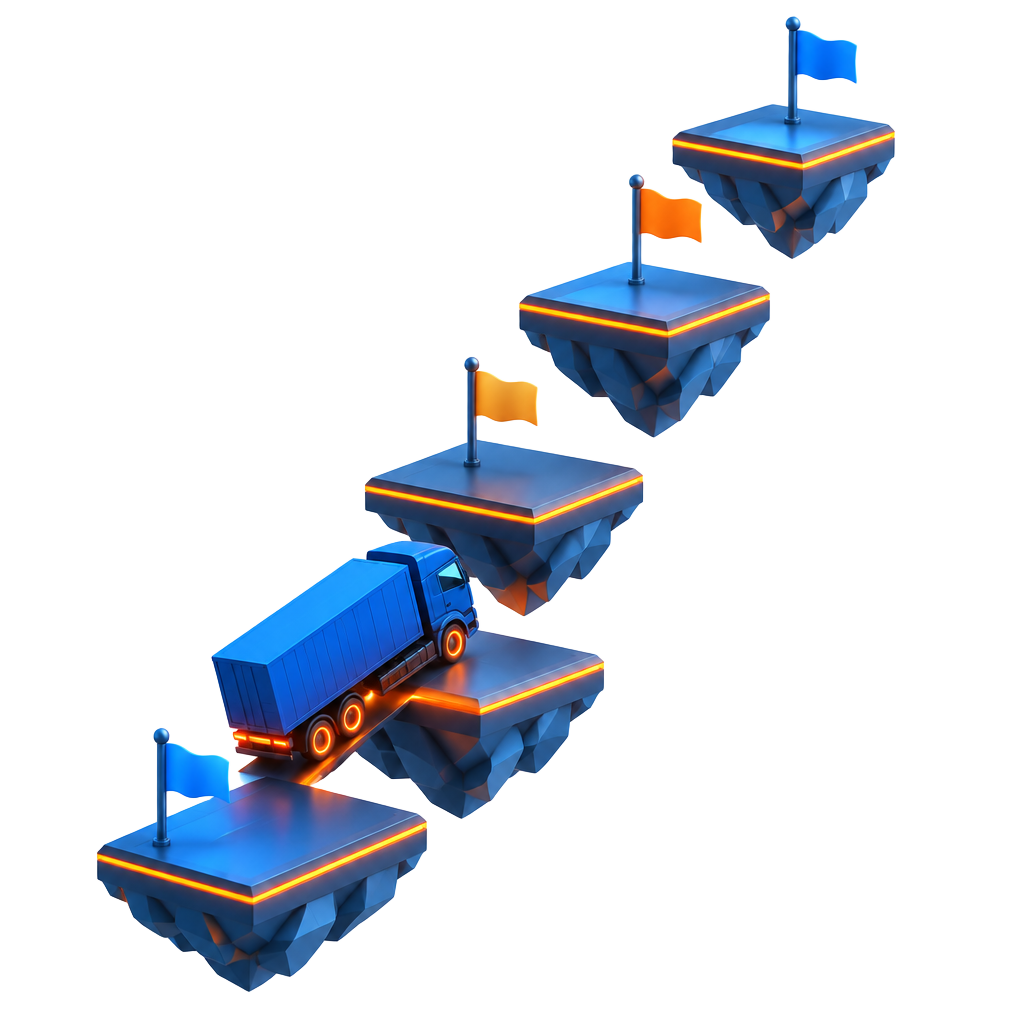
Illustrative workflow
A workflow story
A dispatcher reviews the next day's loads and assigns a driver and tractor-trailer pair to each. A changed appointment at the consignee is recorded as an event, and the dispatcher re-sequences the following pickup instead of discovering the conflict by phone.
In the long run, telematics pings and ELD status could appear as integration-sourced events next to human updates, each with clear provenance. That is planned work, and the Rust edge direction is meant to make it practical.
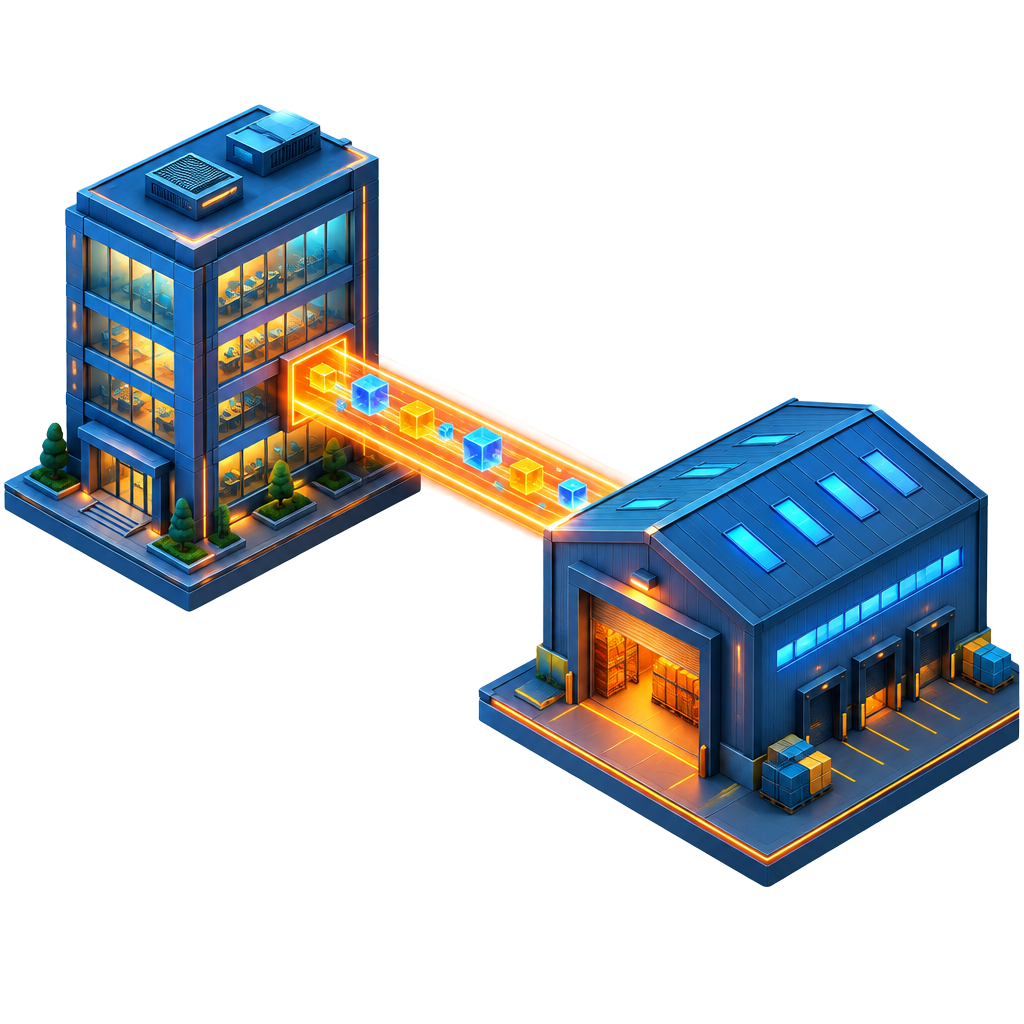
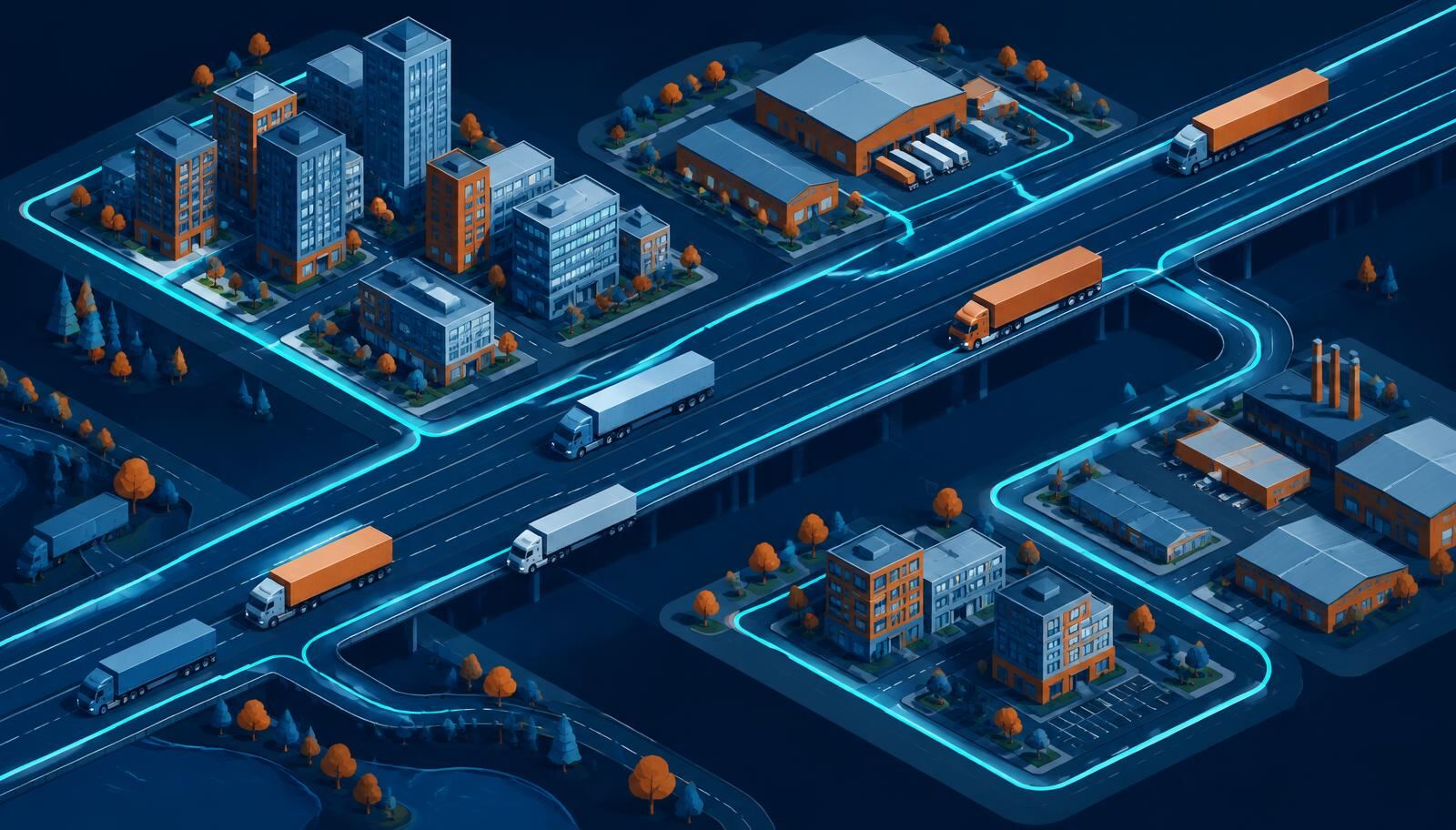
Relevant modules and their status
These are the parts of the conceptual module map that matter most for this scenario. Status labels describe development state, not availability for production use.
- Dispatch assignment queue (In Progress)
- Driver and equipment profiles (Planned)
- Event & tracking timeline (In Progress)
- ELD / telematics adapters (Planned)

What is not built, and may never be core
PlannedBeing clear about scope is part of being useful. The following are either not built yet or are deliberately left to neighboring systems.
- Hours-of-service calculation
- Fuel, maintenance and IFTA tracking
- Driver mobile application